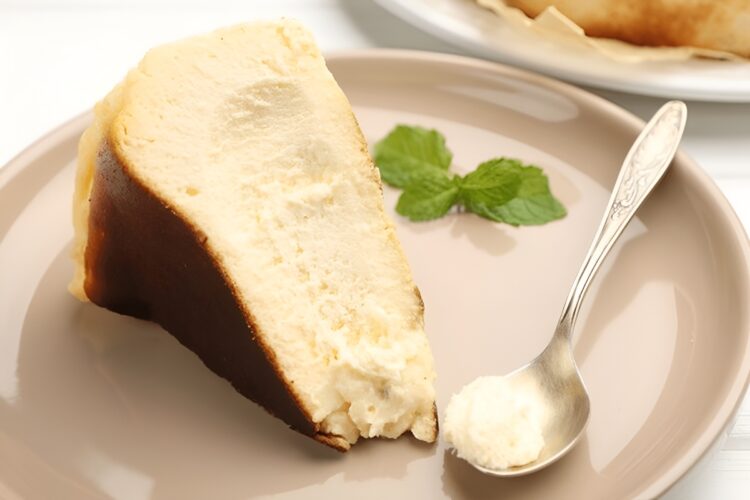
This Basque-Style Cheesecake has a delicious and luxurious taste and texture. It’s free from guilt and from a crust, which means it is even simpler and more perfect for a low-carb, carnivore or keto lifestyle.
Jump to Recipe Print RecipeStarting a new way of eating, such as keto or carnivore, can be a huge transition for those new to it. Finding desserts to curb cravings is even more difficult. This quick and easy, simple recipe is perfect for those who want to experience a dessert without completely sacrificing their nutritional value.
The crust has been omitted to allow for even more unnecessary carbs to be cut. This recipe is even more of a must-try when wanting to have a dessert or snack for a family get together, as it is quick and easy to prepare!
Why make a carnivore cheesecake?
Unlike most cheesecake recipes, I’ve taken the time to create recipes specifically for those carnivore and ketovore diets. In a way, this carnivore cheesecake is a recipe for a Spanish Manchego cheesecake. We explored a Manchego cheesecake for the first time at a restaurant we really enjoy. We really appreciated the addition of Manchego cheese to the dessert.
Basque style carnivore cheesecake
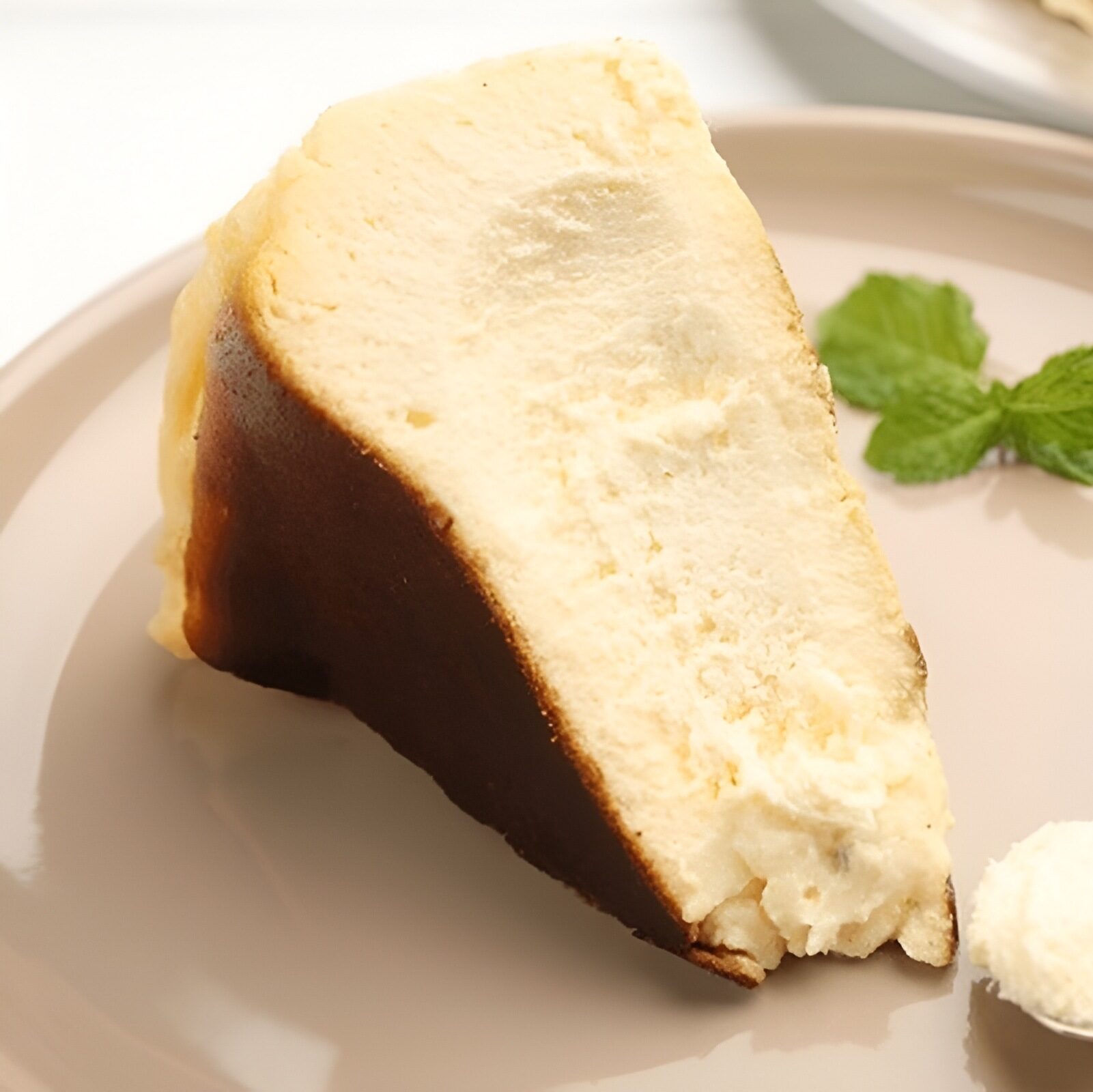
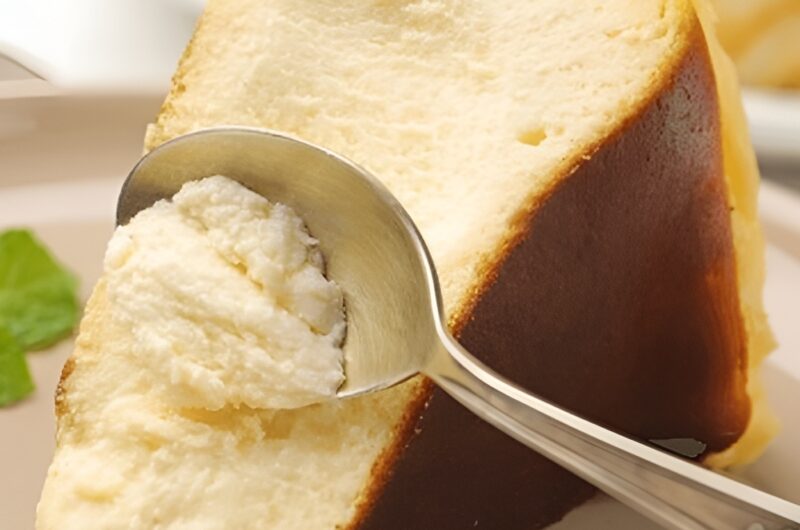
To continue with the simplicity and the low carbs, I fused together the idea of using a cheese of Manchego type and another Spanish style, Basque cheesecake (which is also usually crust-less, making it easier to create no plant, low carb treats). Basque cheesecakes are typically cooked to have a darker top and creamier inside, but feel free to modify this to your liking.
(Cook at a lower temperature for a longer time for a lighter top and more solid texture.)
Overall, this dessert is quite appropriate for any low carb or ketogenic diet. It contains a good amount of healthy fats and protein, but remains low in carbs.
Ingredients
This cheesecake contains only four main ingredients:
- Manchego cheese
- eggs
- heavy cream
- cream cheese
It’s really easy to make and everyone’s sure to love it! Most cheesecake recipes are made with a graham cracker or cookie crust, but this recipe doesn’t use any crust at all. Despite that, it holds it shape well and stays nice and creamy!
I add Manchego cheese to the heavy cream while heating it to flavor and thicken the cheesecake. However, it’s not necessary to use Manchego cheese, as any aged sheep cheese or a solid cheese of your preference will work just as well. I use inexpensive brands of aged sheep cheese and leave the Manchego cheese to enjoy it by itself. Since this is a keto cheesecake, it’s advisable to choose cream and cream cheese with the highest fat content.
Here are some lower-cost brands of aged sheep cheese that I may use for this cheesecake.
Adding Sweeteners (or not)
If you wish, you may choose to add a small amount of erythritol or glycine to sweeten the cheesecake, but it is not necessary to do that. For a keto cheesecake, erythritol is a common sweetener, because it’s carb free and many people use it in their baked goods. Glycine, an amino acid that some people in the carnivore community use, provides a bit of sweetness and is perceived as a healthy alternative by some and not by others. You are free to choose what works best for your family.
To make a true carnivore cheesecake, don’t add sweeteners. I like it this way, but some of my family aren’t as nice about it. There are a few different options you could try to keep everyone happy with a cheesecake. A middle-ground solution could be adding some sweetener and then sharing it with others. Alternatively, you could divide the batter and bake smaller separate cheesecakes, adding sweetener to one and leaving the other unsweetened. Just remember to decrease the bake time a little. You could also recommend cheesecake with jam or maple syrup to family members who want it sweeter.
Making a carnivore cheesecake
To make a carnivore cheesecake you need to make some preparations. First, you need to set the oven to preheat at 210ºC/410ºF. Make sure to line your pan with parchment baking paper. Cheesecakes that don’t have a crust tend to stick to the pan, so this is a good first step.
To make the parchment paper easier to work with, you can crumple it into a ball and then get it wet. This method should make it easier for you to stick the paper to your pan so that it’s fully covered.
Preparing the cheese mixture
1. The next step is to flavor the heavy cream with Manchego cheese. To do this, you’ll want to slowly melt the cheese into it. For easier melting, you can cut or grind the cheese, then mix it with the heavy cream in the saucepan and heat it over low to medium heat.
2. After you’ve melted the Manchego cheese into the cream, take the pan off the heat. Add the cream cheese and mix it in thoroughly.
3. Now, you’ll want to add 4 large eggs to the mixture. Add the eggs one by one. You’ll want to beat each egg into the mixture until it is fully incorporated before adding the next egg.
4. When adding sweetener to the mixture, do it little by little, and stop to taste it so you can decide how much is the right amount for you.
5. Now that your batter is well mixed, it’s time to pour it into the baking pan that you’ve prepared. Use a spatula to smooth out the top and ensure that the batter is evenly distributed.
Baking the carnivore cheesecake
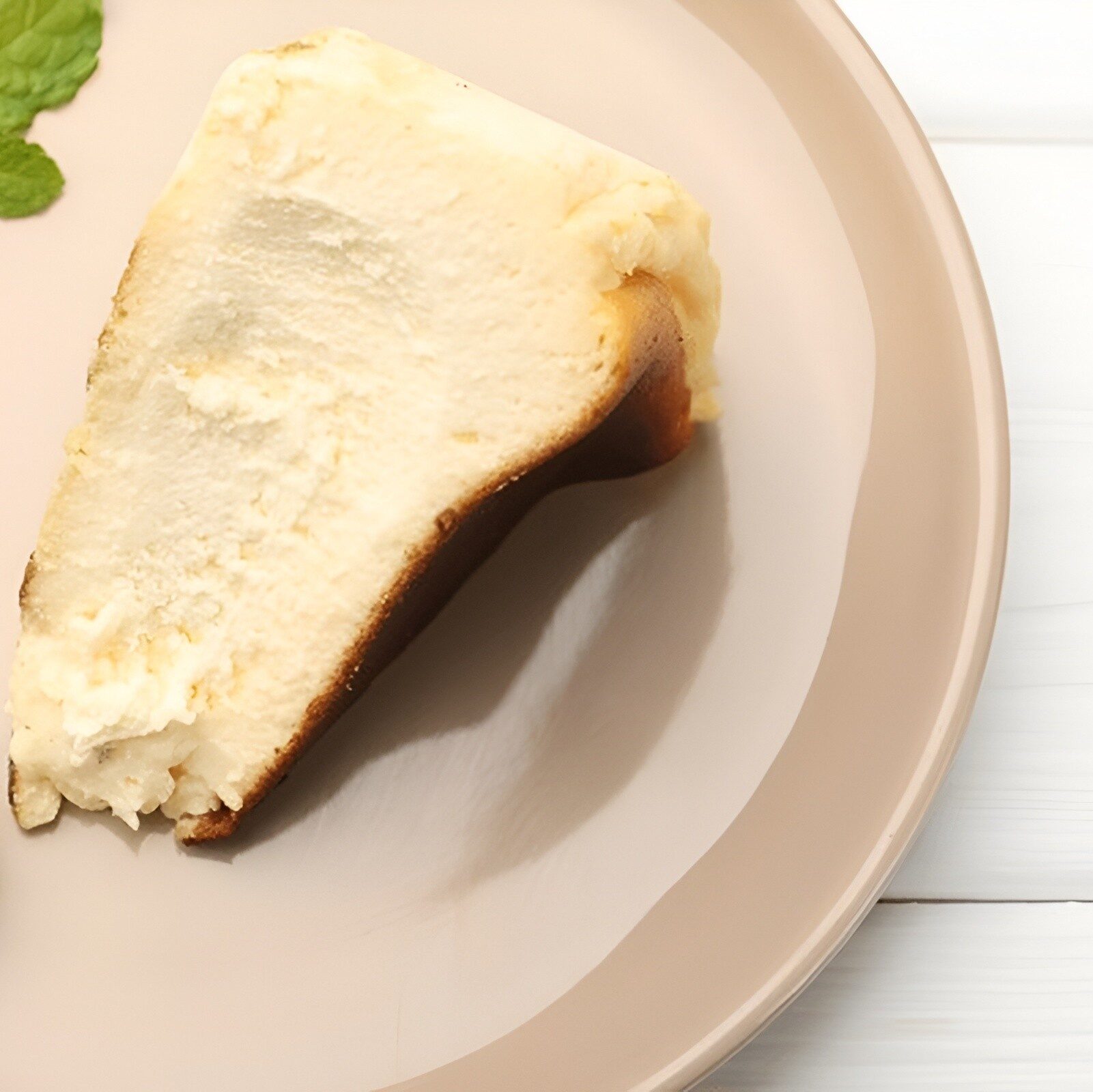
Place the pan to the preheated oven and bake it for 35 to 40 minutes, then check to see if the edges are set and if the center is still a little wiggly. While the cheesecake bakes, it will set up a little.
This cheesecake can be made to look like a Basque cheesecake with a browned top. I like it to look brown and to have a little less give and creaminess on the inside. If you want a cheesecake that is more spongy with a nice light top, you should bake it at a lower temp and give it more time.
If you see that the cheesecake is browning too much, you can protect it by covering it with aluminum foil or parchment paper.
To finish, once the cheesecake is nice and baked, let it cool on the counter, and when it is at room temp it will be ready to eat. It is nice when the cheesecake is still a little warm. You can put it in the fridge to chill, but that will change the texture and it will be more firm and will set the cheesecake more.
Storage
If there is any cheesecake left it will keep in the fridge for about a week.
FAQs
1. Is this cheesecake truly carnivore-friendly?
Yes. When made without sweeteners, this cheesecake contains only animal-based ingredients and fits a strict carnivore or ketovore way of eating. Adding sweetener is completely optional.
2. Can I use a different cheese instead of Manchego?
Absolutely. Manchego adds a rich, nutty flavor, but any aged sheep cheese or even another firm, full-fat cheese will work. Choose what fits your taste and budget.
3. Why doesn’t this cheesecake have a crust?
This recipe is inspired by Basque-style cheesecake, which is traditionally crustless. Skipping the crust keeps the recipe low carb while allowing the cheesecake to stay creamy and hold its shape.
4. How do I know when the cheesecake is done baking?
The edges should be set while the center remains slightly jiggly. It will continue to firm up as it cools, giving you a creamy interior without overbaking.
Basque Style Carnivore Cheesecake
Course: DessertCuisine: MediterraneanDifficulty: Easy10
servings25
minutes30
minutes270
kcalThis Basque-Style Cheesecake has a delicious and luxurious taste and texture. It’s free from guilt and from a crust, which means it is even simpler and more perfect for a low-carb, carnivore, or keto lifestyle.
Ingredients
3.5 ounces Manchego cheese
10.6 ounces Cream Cheese
3 eggs
¼ cup erythritol optional
1¼ cups Heavy cream
Directions
- Start by preheating your oven to 210ºC / 410ºF.
- Line your baking pan with parchment paper. A little trick that works every time: crumple the parchment into a ball, run it under water, then open it up. It will mold easily to the pan and stay in place.
- Make the Cheesecake Mixture
- Grate the Manchego cheese or cut it into very small pieces so it melts smoothly.
- Add the Manchego cheese and heavy cream to a saucepan and heat over low to medium heat, stirring occasionally, until the cheese melts into the cream.
- Once melted, remove the pan from the heat. Stir in the sweetener if you’re using one, followed by the cream cheese, mixing until smooth.
- Add the eggs one at a time, stirring well after each addition until everything is fully combined.
- Bake the Cheesecake
- Pour the batter into the prepared pan and place it on a baking tray in the center of the oven.
- Bake for 35–40 minutes, checking around the 30-minute mark. If the top is browning more than you’d like, loosely cover it with foil or parchment paper.
- When the edges are set and the center still has a slight jiggle, remove the cheesecake from the oven.
- Let it cool to room temperature before serving.
- Enjoy it as-is for a creamy, luxurious texture, or chill it if you prefer a firmer, more traditional cheesecake.
- If you want, I can also shorten this for a recipe card or make it even mor
Notes
- It’s flexible and customizable, whether you prefer it unsweetened or with a touch of keto-friendly sweetness.
- This recipe skips the crust entirely, keeping the carbs low while letting the rich cheese flavor shine.
Nutrition Facts
10 servings per container
- Amount Per ServingCalories270
- % Daily Value *
- Total Fat
26g
34%
- Saturated Fat 16g 80%
- Trans Fat 0.01g
- Cholesterol 141mg 47%
- Sodium 188mg 9%
- Total Carbohydrate
3g
2%
- Total Sugars 2g
- Protein 7g 15%
- Calcium 166mg 13%
- Iron 0.4mg 3%
- Potassium 93mg 2%
- Vitamin A 997mcg 111%
- Vitamin C 0.2mg 1%
* The % Daily Value tells you how much a nutrient in a serving of food contributes to a daily diet. 2,000 calories a day is used for general nutrition advice.
